
Electrical safety is one of the most important yet consistently overlooked aspects of home maintenance. Electricity powers nearly every system and appliance in a modern home, but without proper care and awareness, it also poses serious risks. Understanding how to manage and maintain your home’s electrical systems helps prevent hazards, reduces the risk of fires, and creates a safer living environment for everyone inside.
Why Electrical Safety Should Be a Top Priority
Faulty wiring, outdated panels, and overloaded circuits are among the most common causes of electrical problems in residential homes, and they rarely announce themselves clearly until a dangerous situation has already developed. Power outages and equipment damage are the more minor consequences. Electrical fires are the more serious ones. Prioritizing electrical safety means staying aware of potential risks and addressing warning signs before they escalate. Many electrical issues are hidden inside walls and panels, where they’re impossible to detect without proper knowledge and tools. That’s why a combination of informed daily habits, proactive upgrades, and periodic professional inspections is the most effective approach to keeping a home’s electrical system safe and reliable.
Common Electrical Hazards Every Homeowner Should Recognize
Many electrical hazards develop gradually, making them easy to dismiss as minor inconveniences. Frayed or damaged cords, outlets that feel warm to the touch, flickering lights, and frequently tripped breakers are all early warning signs of deeper problems that deserve prompt attention rather than a wait-and-see approach. Overloaded outlets are one of the most widespread electrical safety concerns in modern homes. The average household runs far more devices than homes were originally wired to support, and plugging too many high-draw appliances into a single outlet or circuit creates heat buildup that could damage wiring over time. Extension cords used as permanent solutions are another common hazard.
Electrical Safety Tips for Everyday Living
Good electrical safety habits cost nothing and significantly reduce everyday risk. Turn off and unplug appliances when not in use to prevent overheating and reduce unnecessary energy draw. Keep all electrical devices and cords away from water sources, and never use damaged cords or outlets that show signs of burning or discoloration. Always use the correct bulb wattage for each fixture; exceeding the rated wattage generates excess heat that could damage the fixture and surrounding wiring over time. For households with young children, tamper-resistant outlet covers or child-proof outlet plates are a simple and effective electrical safety measure that every parent should have in place.
Upgrade Older Systems for Better Electrical Safety
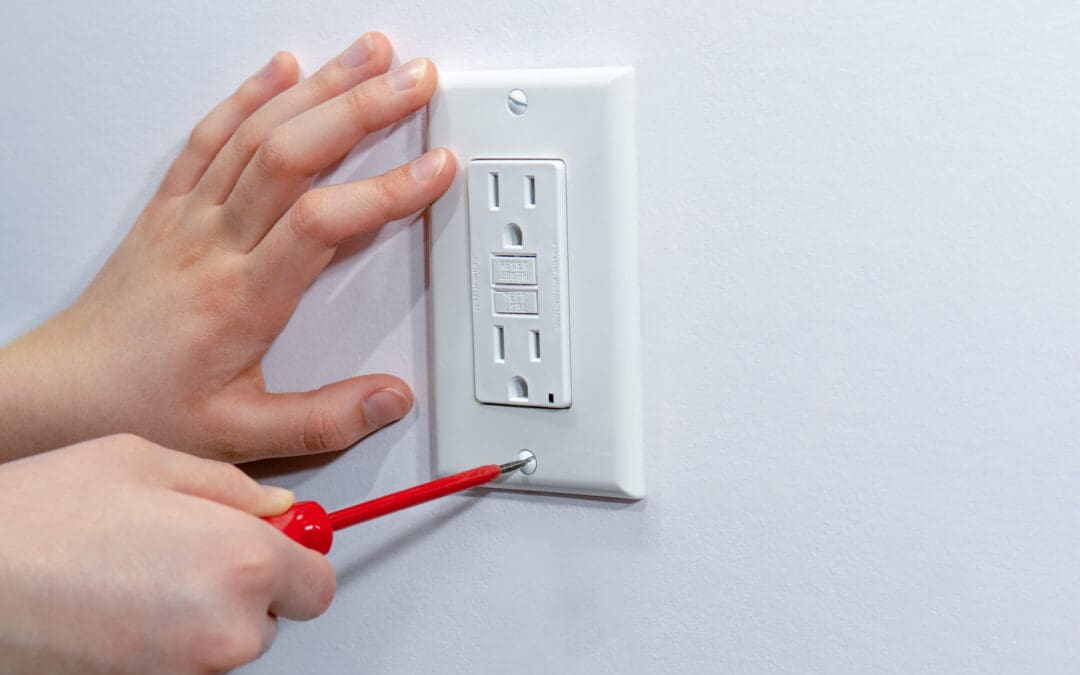
Homes built more than 20 to 30 years ago were designed for significantly lower electrical loads than modern households demand. If your home still has the original panel, two-prong ungrounded outlets, or aluminum branch-circuit wiring, an electrical evaluation by a licensed electrician is strongly recommended. Upgrading to a modern panel with sufficient amperage, replacing ungrounded outlets, and installing ground fault circuit interrupters (GFCIs) in bathrooms, kitchens, and outdoor areas are all meaningful electrical safety improvements. Arc fault circuit interrupters (AFCIs) add another layer of protection by detecting dangerous electrical arcing that standard breakers can miss.
The Importance of Professional Inspections
While daily habits and simple upgrades go a long way, professional inspections are an essential component of a complete electrical safety strategy. Licensed electricians have the tools and expertise to identify hidden issues that no amount of visual inspection can reveal. They can also confirm whether your system meets current safety codes, which is particularly important before purchasing a home, after a major renovation, or if you’re experiencing recurring electrical problems. Most electrical professionals recommend a full inspection every three to five years for a standard home, with more frequent evaluations for older properties or homes with a history of electrical issues.
Be Prepared for Electrical Emergencies
Even a well-maintained home can experience an electrical emergency. Every household member should know the location of the main electrical panel and how to safely shut off power in an urgent situation. Keep a fire extinguisher rated for electrical fires readily accessible; a standard water extinguisher should never be used on an electrical fire. Smoke detectors on every level of the home, tested monthly and with fresh batteries, provide the earliest possible warning if something does go wrong.
Frequently Asked Questions (FAQs)
What are the most common electrical safety hazards in homes?
The most frequent issues include faulty or aging wiring, overloaded circuits, damaged outlets, outdated electrical panels, and improper use of extension cords.
Can overloaded outlets really cause fires?
Yes. Overloaded outlets generate excess heat in the wiring and connections, which could damage insulation over time and create conditions for an electrical fire.
What should I do if I notice flickering lights or frequently tripped breakers?
Both are warning signs of a potential wiring issue, circuit overload, or failing component. Don’t ignore them; contact a licensed electrician for an evaluation.
Are electrical upgrades worth the investment?
Absolutely. Upgrading panels, adding GFCI and AFCI protection, and replacing outdated wiring improve both safety and reliability, support modern electrical demands, and increase your home’s value.
KeysInspector provides home inspections to customers in the southern Florida area. Contact us to request our services.