
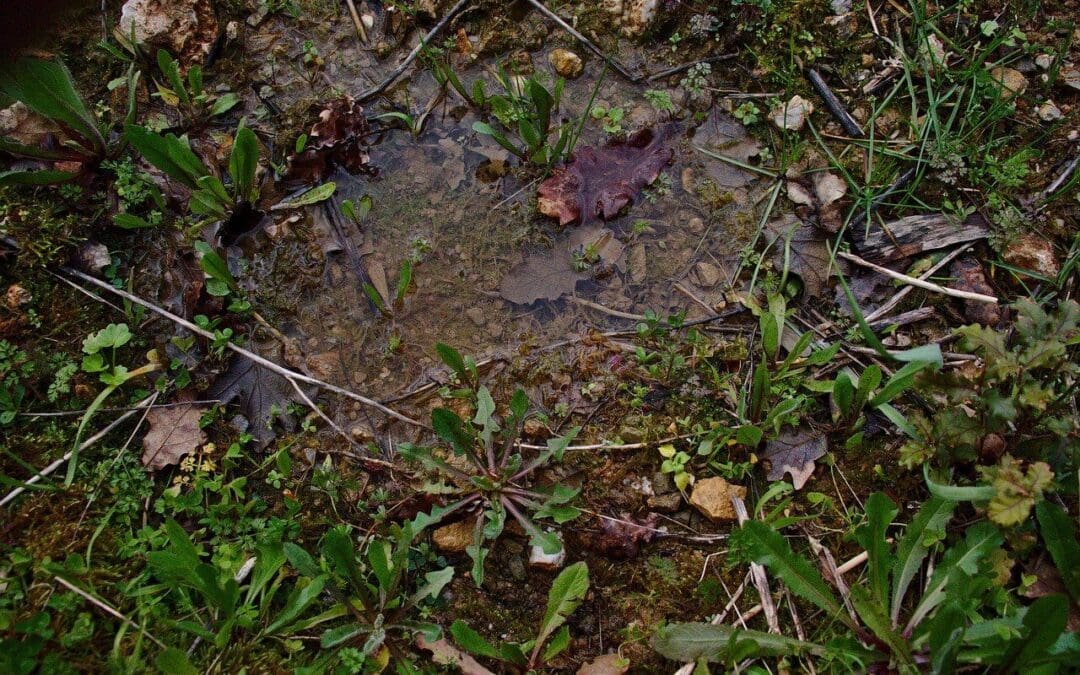
Water that doesn’t drain properly from your property quietly works its way toward your home’s foundation, into your basement or crawl space, and through the soil conditions that affect your landscaping, your driveway, and your outdoor living areas. The decision to improve drainage is one of the most financially protective investments a homeowner can make, because the damage that poor drainage causes compounds year over year until the repair costs dwarf what proactive correction would have required. If water sits on your property after rain or you notice persistent wet areas, it’s time to take the problem seriously.
Why It Pays to Improve Drainage Sooner Rather Than Later
Poor drainage is one of those problems that never resolves on its own. Water follows the path of least resistance, and if that path leads toward your foundation. Every season of delay makes the situation worse and the eventual solution more expensive. The good news is that many drainage problems are correctable without major excavation or enormous expense. The key is correctly diagnosing where the water is coming from, where it’s going, and what’s preventing it from going somewhere better. A systematic approach, starting with the simplest fixes and escalating only where necessary, solves most residential drainage problems efficiently.
Grading and Surface Solutions
The most fundamental drainage principle is that water should always flow away from the home. The ground within the first six to ten feet of your foundation should slope away at a minimum of six inches of drop. In many homes, soil settlement or erosion has allowed this critical slope to flatten or reverse over time. Regrading the soil around your foundation is one of the most cost-effective ways to improve drainage near the home. It’s manageable as a DIY project for small areas, though larger efforts benefit from professional assistance. Surface swales are another practical improvement for properties with larger drainage challenges. A swale is a shallow, gently graded channel that redirects surface water away from problem areas toward a suitable discharge point. Swales can be grass-lined, gravel-filled, or planted with water-tolerant vegetation depending on the site.
Underground Systems That Improve Drainage at the Source
For properties with more persistent problems, surface solutions alone may not be sufficient. Underground drainage systems address water moving through the soil rather than across the surface. A French drain intercepts groundwater and redirects it to a discharge point. French drains are particularly effective along fence lines, at the base of slopes, alongside driveways, and around foundation perimeters where water consistently accumulates. Downspout extensions and underground downspout piping are often overlooked but highly effective ways to improve drainage near the home. Gutters that discharge within a few feet of the foundation put large volumes of water right where it’s most damaging. Extending downspouts underground and piping them well away from the structure is frequently one of the first improvements professionals recommend. Dry wells work well when there’s no practical discharge point. They’re often paired with French drains to handle the water they collect.
Landscaping Changes That Improve Drainage and Add Beauty
Not all drainage improvements require pipes and gravel. Strategic landscaping can improve drainage while enhancing the appearance and value of your property. Rain gardens channel water into a deliberate landscape feature rather than allowing it to pond randomly. Planted with deep-rooted, water-tolerant native plants, a rain garden can absorb significant volumes of stormwater while creating an attractive focal point. Replacing impervious surfaces like concrete patios with permeable alternatives allows water to infiltrate rather than run off, reducing the volume your drainage system needs to handle.
Frequently Asked Questions (FAQs)
How do I know if my property has a drainage problem that needs to be addressed?
Clear signs include standing water that remains more than 24 hours after rain, persistently soggy areas during dry periods, water staining on foundation walls, efflorescence on basement concrete, erosion channels in the lawn, and water collecting against the house.
Can I improve drainage on my property myself or do I need a professional?
Many drainage improvements are well within DIY capability, including regrading small areas, extending downspouts, adding surface swales, and installing simple French drains, all of which are manageable for a motivated homeowner with basic tools. More complex situations, such as severe slope issues, high water tables, or drainage affecting the foundation, benefit from professional assessment to ensure the solution is properly designed.
How much does it cost to improve drainage on a residential property?
Costs vary widely with scale and complexity.
Will improving drainage affect my neighbors’ properties?
Redirecting water always requires consideration of where it ultimately goes. Discharging water onto a neighbor’s property is both a courtesy issue and potentially a legal one. Drainage improvements should direct water to the street, a municipal storm drain, a natural drainage area, or onto your own property where it can safely infiltrate. If a solution would increase flow to an adjacent property, discuss it with your neighbor before proceeding.
How do gutters and downspouts affect property drainage?
Significantly. Your roof collects an enormous volume of water during rain and concentrates it into the gutter system. If that system is clogged or discharging near the foundation, it becomes a primary contributor to drainage problems. Clean gutters at least twice a year, ensure downspouts direct water well away, and consider underground downspout piping as one of the most impactful single improvements available to homeowners dealing with drainage issues near the structure.
KeysInspector provides home inspections to customers in the southern Florida area. Contact us to request our services.