
A bathroom that looks transformed doesn’t necessarily require new tile, moved plumbing, or a contractor on-site. The bathroom upgrades that produce the most visible and lasting improvement are often the ones that work with the existing layout. With the right preparation and realistic expectations, most homeowners can execute meaningful upgrades in a weekend.
The Bathroom Upgrades That Deliver the Most Impact for the Effort
The bathroom upgrades that consistently deliver the best return on time and money are those that address the specific elements people notice most: lighting, hardware, the vanity, and the condition of grout and caulk. Lighting replacement is an upgrade that most dramatically changes how a space feels without touching walls or floor. The standard builder vanity strip produces unflattering downward light that most people have lived with long enough to stop noticing. Replacing it with a contemporary bar fixture or a pair of sconces flanking the mirror changes both the quality and direction of light in a way that makes the entire bathroom feel different. This is a direct wire replacement entirely within DIY capability for most homeowners.
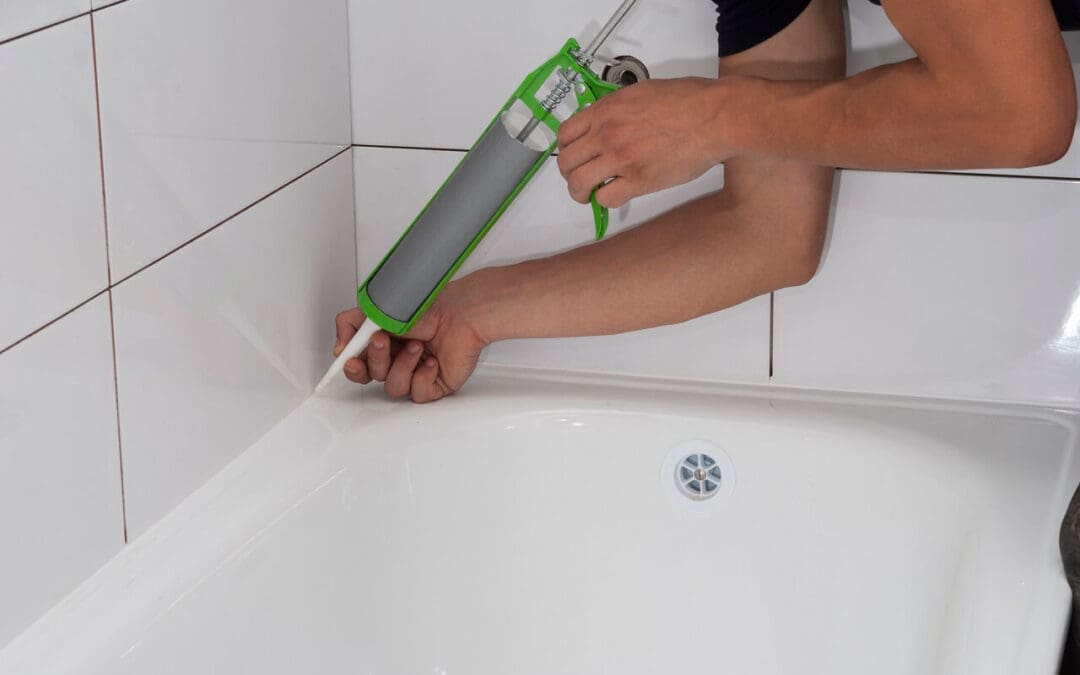
Vanity hardware replacement, such as handles and knobs on drawers and cabinet doors, is the bathroom upgrade with the highest visual return per dollar. Dated brass or builder-standard hardware reads as old regardless of surrounding finishes; updated hardware in matte black or brushed nickel makes the same cabinetry look current. A screwdriver is the only tool required. Caulk and grout refreshing is the bathroom upgrade with the most direct impact on whether a bathroom reads as maintained or neglected. Failed caulk at the tub-to-wall joint and darkened grout signal a bathroom that hasn’t been properly maintained. Removing old caulk, cleaning grout with an appropriate cleaner and stiff brush, and reapplying fresh caulk in a controlled bead are skills any patient homeowner can develop in a single project.
Fixture and Surface Projects Worth Tackling
Beyond the quick wins, a category of bathroom upgrades requires a few more hours and slightly more confidence, but remains well within DIY territory for most homeowners willing to follow clear instructions. Toilet replacement is one of the most straightforward bathroom upgrades; the supply line and floor bolts are the only connections involved, and the process is methodical rather than technically demanding. A toilet that is stained, inefficient, or outdated could be replaced in two to three hours with basic tools. Upgrading to a high-efficiency model reduces water consumption and is an improvement that pays forward in both utility cost and daily experience. Vanity mirror replacement changes the visual center of the bathroom with minimal installation complexity. A frameless builder-grade mirror replaced with a framed mirror, illuminated mirror, or medicine cabinet converts the bathroom’s most prominent surface into a design decision rather than the default. Most replacements involve removing a few screws or clips and reversing the process with the new unit.
The Bathroom Upgrades That Require More Planning but Stay DIY
Peel-and-stick tile has improved significantly in quality, making it a viable bathroom upgrade for backsplash and accent wall areas. The surface must be clean, flat, and residue-free for the adhesive to bond correctly. The installation itself is intuitive, with tiles cut using a utility knife. Accessory replacement, like towel bars, toilet paper holders, and robe hooks, is an upgrade that makes a bathroom feel designed rather than assembled. Replacing mismatched builder-grade accessories with a cohesive set in a consistent finish requires only a drill, a level, and wall anchors.
Frequently Asked Questions (FAQs)
What bathroom upgrades add the most value to a home?
Lighting updates, consistent hardware in a current finish, fresh caulk and grout, and an updated vanity mirror consistently add the most perceived value relative to their cost. Toilet replacement and mirror swaps add functional value on top of aesthetic improvement.
How do I know if a bathroom upgrade requires a licensed plumber or electrician?
Work involving opening walls, moving supply or drain lines, or adding new circuits requires licensed work and permits. DIY bathroom upgrades are those replacing existing fixtures at existing connection points. If the work extends, adds, or relocates plumbing or electrical, it crosses into licensed territory.
How long do typical DIY bathroom upgrades take to complete?
Hardware replacement across a full vanity runs one to two hours. Lighting fixture replacement runs one to two hours. Caulk removal, cleaning, and reapplication around a tub runs three to four hours. Toilet replacement runs two to three hours for most first attempts. Peel-and-stick tile on a backsplash area runs four to six hours depending on complexity. Most bathroom upgrade projects are completable in a single day when materials are on hand.
What should I buy first when planning bathroom upgrades?
Start with the hardware and let the finish anchor the rest of the decisions. Once the finish is chosen, the lighting fixture, mirror, and other metal elements can be selected to coordinate.
Are peel-and-stick tiles durable enough for bathroom use?
Quality peel-and-stick tiles rated for wet areas are durable for bathroom backsplash and accent applications when installed on a clean, flat, prepared surface. They are not appropriate for floors with significant traffic or full shower surrounds that are continuously wet. For a backsplash behind a vanity or a wainscoting application, quality peel-and-stick tile holds up well in the typical residential bathroom environment.
KeysInspector provides home inspection services to customers in the southern Florida area. Contact us to request our services.