
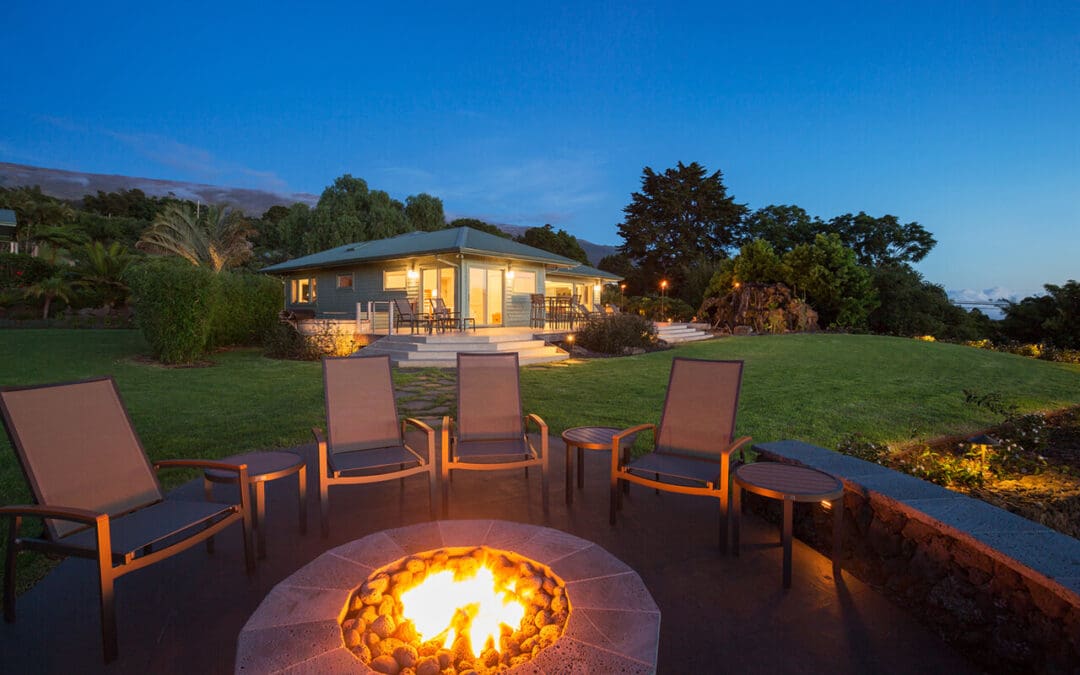
Few backyard features bring people together quite like a fire pit. Whether it’s a simple in-ground ring, a portable metal bowl, or a built-in stone structure, gathering around an open flame on a warm evening is one of summer’s great pleasures. But a fire pit also comes with real responsibilities; open flames in a residential setting require respect, preparation, and consistent safe practices. Understanding fire safety before you light the first match ensures that every gathering around the fire is memorable for all the right reasons.
Fire Pit Placement and Setup — Getting the Foundation Right
Where you place your fire pit is the single most important safety decision you’ll make. Fire pits should be positioned at least ten feet away from any structure, including the house, fences, pergolas, and overhead vegetation. Placing it beneath a low-hanging tree canopy or too close to a wooden deck creates a serious fire hazard that even a brief moment of inattention can turn into a disaster. Never place a portable fire pit directly on a wooden deck or dry grass; a gravel pad, concrete patio, or purpose-made fire pit mat provides a non-combustible base that protects the surface beneath from heat damage and stray embers.
Choose the Right Fire Pit for Your Space
Not every fire pit is suited to every backyard. Selecting the right type goes a long way toward keeping things safe and enjoyable. Portable fire pits are versatile and affordable but need to be placed thoughtfully and secured against tipping. Built-in stone or brick pits are more permanent and stable but require careful planning during installation. Propane fire pits eliminate the risks associated with sparks and embers, a particularly good choice for smaller yards or spaces with overhead structures. Whatever type you choose, look for a model with a spark screen, a simple but essential safety feature that keeps embers contained.
Fire Pit Rules Every Household Should Follow
Clear, consistently enforced rules are the behavioral foundation of a safe backyard fire experience. Never leave a lit fire unattended, even briefly, as embers can escape and ignite dry vegetation in the time it takes to step inside. Keep children and pets at a safe distance and designate a responsible adult to monitor the fire whenever it’s burning. Avoid burning treated wood, painted wood, cardboard, or trash; these materials produce toxic fumes and excessive sparks. Dry, seasoned hardwood produces a cleaner, hotter, and more controllable fire than wet or green wood and significantly reduces the smoke that makes gatherings uncomfortable.
Have the Right Safety Equipment Within Reach
Having the right safety equipment accessible before lighting the fire is a fundamental safety practice. A garden hose connected and ready, a bucket of sand, or a fire extinguisher rated for outdoor use should all be within easy reach whenever the fire pit is in use. A metal poker for safely adjusting logs and heat-resistant gloves protect hands during tending. Keeping a first aid kit nearby for minor burns is a sensible precaution that takes seconds to set up and can make a real difference if an accident occurs.
Fire Pit Safety When the Night Is Over
How you extinguish the fire after the gathering is just as important as how you manage it during. Never leave with flames or glowing embers still active; what appears to be a dying fire can reignite hours later. Douse the fire thoroughly with water, stirring the ashes until no steam or smoke remains. Allow everything to cool completely before handling or disposing of ash. Residual heat can remain for up to 72 hours. Always dispose of ash in a metal container with a tight-fitting lid rather than a plastic bin or paper bag.
Frequently Asked Questions (FAQs)
How far should a fire pit be from the house?
Most fire safety guidelines recommend a minimum of ten feet between any structure. Local ordinances may specify additional requirements, so checking with your municipality before installing a permanent fire pit is always advisable.
Can I use a fire pit on my wooden deck?
Using a fire pit directly on a wooden deck is not recommended. Radiant heat may damage wood over time, and stray embers create a fire hazard. A fire pit mat, concrete paver base, or propane fire pit are all safer alternatives for deck use.
What wood is best to burn in a fire?
Dry, seasoned hardwood produces a hot, clean-burning fire with minimal smoke and sparks. Never burn treated lumber, painted wood, cardboard, or household trash.
How do I put out a fire safely?
Stop adding wood at least an hour before extinguishing. Pour water slowly over the fire and stir the ashes until no steam or smoke remains. Allow the pit to cool completely before covering or leaving unattended, and dispose of cooled ash in a metal container with a tight-fitting lid.
KeysInspector provides home inspections to customers in the southern Florida area. Contact us to request our services.