
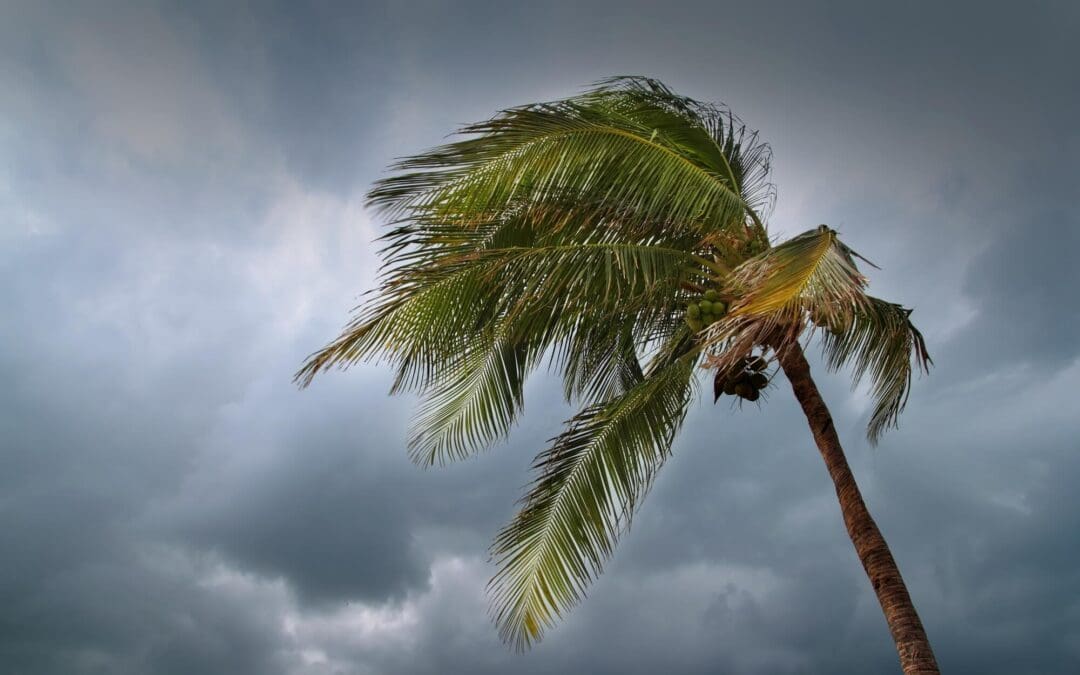
The combination of extreme storm exposure, salt air that accelerates material deterioration, elevated wind zone requirements, and the logistics of island evacuation make wind damage preparation in the Keys a fundamentally different undertaking than anywhere else in the continental United States. The homeowners who fare best are the ones who’ve addressed their home’s vulnerabilities methodically and maintained that protection year after year.
Why Wind Damage in the Florida Keys Requires a Different Approach
The Florida Keys sit in one of the highest wind exposure zones in the country. The Florida Building Code’s High-Velocity Hurricane Zone requirements represent the most stringent residential wind resistance standards in the United States, developed specifically in response to the catastrophic failures that occurred during Hurricane Andrew. Homes built or renovated to these standards perform dramatically better in hurricane-force winds than older construction. Salt air is the variable that accelerates every wind damage vulnerability in the Keys. Metal fasteners corrode. Caulk and sealants degrade faster. Roofing materials age more rapidly. A home that would hold up for twenty years inland may develop significant wind vulnerabilities in ten years without consistent maintenance. Annual inspection is the baseline that preserves wind resistance between storm seasons.
Roof Protection in a High-Velocity Hurricane Zone
The roof is the first line of defense against wind damage, and in the Keys it’s where the most investment and the most diligent maintenance belong. Roof-to-wall connections are the assembly most directly responsible for whether a roof stays attached in hurricane-force winds. Miami-Dade approved hurricane straps or clips are required for new construction and are one of the highest-return retrofits for older homes. A licensed contractor can assess the connection type from the attic and install approved connectors where missing, a documented factor in wind mitigation inspections that directly affects insurance premiums. Roofing materials should carry Miami-Dade Notice of Acceptance, the product approval verifying performance under High-Velocity Hurricane Zone testing. Metal roofing in standing seam profiles is the most durable choice, handling both extreme wind loads and salt air better than asphalt shingles, which deteriorate faster in the marine environment. Roof edge details are where wind uplift most frequently initiates wind damage. Inspect these locations after every significant weather event and address any lifting before the next storm system develops.
Opening Protection Against Wind Damage
Every opening in a Keys home, windows, doors, and especially garage doors, must be capable of withstanding the design wind pressure for the wind zone, and documentation of that compliance matters as much as the protection itself. Impact windows and doors are the standard of care and the most practical long-term opening protection solution. Miami-Dade approved impact products eliminate the pre-storm shutter installation burden, critical in the Keys where storm notice may be short, and evacuation may conflict with the installation window. For existing homes with non-impact openings, Miami-Dade approved accordion or panel shutters provide equivalent protection when deployed.
Garage doors require specific attention. In the High-Velocity Hurricane Zone, garage doors must be rated to the design wind pressure for the structure. An unrated door is one of the most common failure points in hurricane wind damage; its failure creates catastrophic internal pressure changes. Confirm the wind pressure rating of any garage door and replace any that doesn’t meet current requirements.
Frequently Asked Questions (FAQs)
What is a wind mitigation inspection and do I need one?
A wind mitigation inspection is a licensed assessment of your home’s wind-resistant features, such as roof covering, deck attachment, roof-to-wall connections, opening protection, and roof shape. In Florida, documented wind mitigation features produce significant insurance premium discounts. For Keys homeowners paying elevated wind premiums, a wind mitigation inspection that documents hip roof geometry, Miami-Dade approved opening protection, and hurricane strap installation can produce premium reductions of thirty to forty percent or more. Update the inspection whenever significant improvements are made.
How does salt air affect wind damage vulnerability over time?
Salt air accelerates corrosion of metal fasteners, hardware, and structural connectors and degrades caulking and roofing materials faster than inland environments. A hurricane strap that was effective when installed may be significantly corroded a decade later. Annual inspection of exposed metal hardware, sealants around all penetrations, and roofing material condition is the maintenance baseline that preserves wind damage resistance. Use only stainless steel or hot-dipped galvanized hardware rated for marine environments in any repair.
What should I do before evacuating for a hurricane?
Deploy all storm shutters, close and latch all interior doors, turn off the main water supply, secure propane tanks, and document the property with video for insurance purposes. Remove or secure anything outdoors that could become a projectile. Evacuate early; the Keys’ limited exit routes become congested quickly once evacuation orders are issued, and the window between a mandatory order and deteriorating conditions is shorter than most residents expect.
Are older Keys homes more vulnerable to wind damage?
Significantly. Homes built before the post-Andrew code revisions lack many of the structural connections and opening protection standards that current construction requires. A structural assessment by a licensed engineer could identify specific wind resistance gaps in a pre-1994 home, and a prioritized improvement plan addresses the highest-risk vulnerabilities first.
How do I find qualified contractors?
Work only with licensed Florida contractors holding Miami-Dade product approvals for the specific improvements they’re installing. Verify that any contractor pulling a permit has experience with Monroe County’s building requirements. The Monroe County Building Department can confirm permit requirements and verify contractor licensing. Get multiple written quotes with specific product numbers included so you can verify Miami-Dade approval status independently.
KeysInspector provides home inspections to customers in the southern Florida area. Contact us to request our services.