
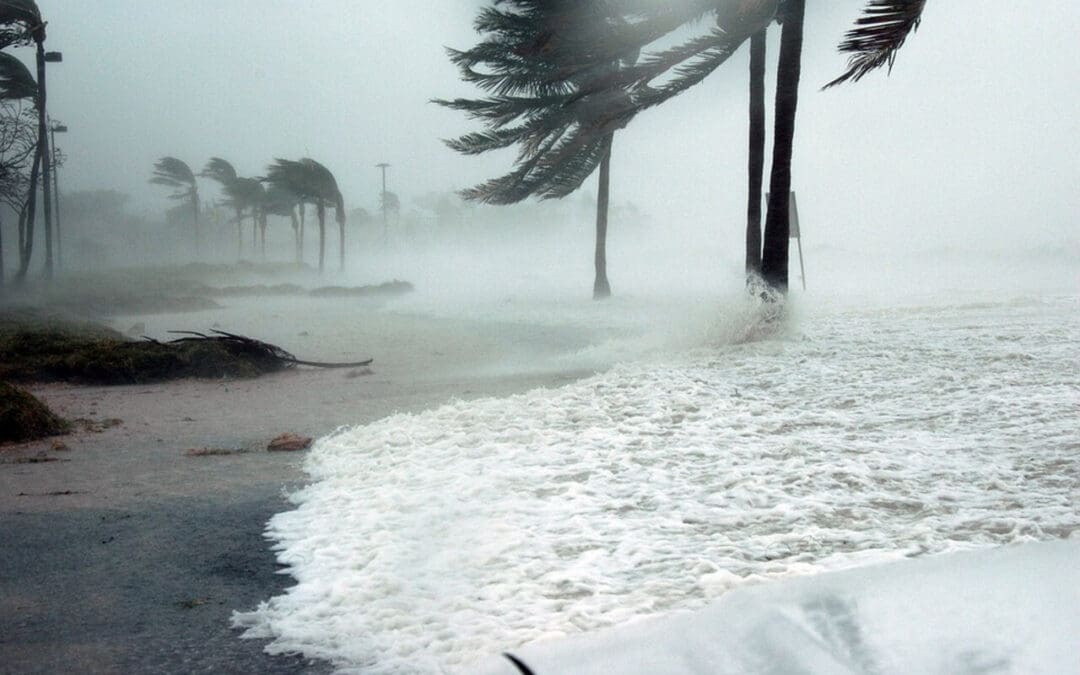
In the Florida Keys, water is part of everyday life, and every property sits in a flood zone that affects how it can be built, insured, and protected. Many owners and buyers only learn their zone when a lender or insurance agent brings it up, and by then it can be an expensive surprise. Understanding your flood zone helps you budget, decide which improvements are worth making, and prepare for storm surge. It isn’t as complicated as it sounds. Here’s how to find your zone, what it means, and what you can do about it.
Find Your Flood Zone and What the Letters Mean
Start with FEMA’s Flood Map Service Center, where you can type in an address and see the zone assigned to the property. Your county’s floodplain office can also help. Most of the Keys falls into zones that begin with A or V. AE zones are high-risk areas with a calculated base flood elevation, while VE zones are coastal areas that also face wave action and the most severe damage. Zone X indicates a lower risk, though flooding can still happen there. Zone boundaries can run through a single neighborhood, so check each property individually instead of assuming. Flood maps are updated periodically, so a property’s zone can change. Older homes built before current rules may sit below today’s required elevation, which affects both safety and insurance. During a purchase, ask for the zone in writing, since it influences your closing costs and monthly budget.
Get an Elevation Certificate
A flood zone designation alone doesn’t tell the whole story. An elevation certificate, prepared by a licensed surveyor, records the height of the home’s lowest floor and its equipment, such as the air conditioner and electrical panel, relative to the base flood elevation. Insurers use it to rate flood policies, and a home that sits higher than assumed can qualify for a lower premium. Ask the seller whether a current certificate exists, and keep a copy once you own the home. If you plan an addition or major renovation, you’ll likely need a new one for permitting. Request it early in the buying process rather than waiting for the lender to ask, since scheduling a surveyor can take time.
Understand How Your Flood Zone Affects Insurance and Lending
Lenders typically require flood insurance on federally backed mortgages in high-risk zones, and standard homeowner’s policies don’t cover flooding. Coverage is available through the National Flood Insurance Program and private carriers. NFIP policies generally have a thirty-day waiting period before coverage begins, so buy well before a storm threatens. Premiums now reflect many factors beyond the map, including elevation, building type, and distance from the water. Coverage limits also matter, so confirm what your policy covers for both the structure and your belongings. Ask whether your property qualifies for any mitigation discounts, such as flood vents or elevated equipment. Even owners outside high-risk zones should consider flood coverage. Ask your agent how much the program’s limits provide and whether a supplemental policy makes sense for a higher-value home.
Reduce Risk With Practical Improvements
Raising vulnerable equipment above the base flood elevation is one of the most effective ways to cut flood damage in a flood zone. Move or elevate the air conditioner, electrical panel, and water heater where possible. Enclosed areas below the flood elevation should have properly installed flood vents that allow water to pass through rather than build up pressure against the walls. Use water-resistant materials in lower areas, keep drains and yards clear, and store valuables and important documents on higher levels. Know your evacuation route, and review it each season, because storm surge can close roads quickly. Keep a printed list of insurance contacts, a photo inventory of your belongings, and a go-bag ready before hurricane season so you aren’t scrambling at the last minute.
Frequently Asked Questions (FAQs)
Where can I look up my flood zone?
Use FEMA’s Flood Map Service Center, ask your county floodplain office, or ask your lender or insurance agent. Enter the exact address, because zones may change from one property to the next.
Do I need flood insurance outside a high-risk zone?
It’s not required, but it’s worth considering. Flood claims happen outside high-risk areas, and standard homeowner’s policies don’t cover them. Premiums are often lower in moderate-risk zones.
What is base flood elevation?
It’s the height floodwater is expected to reach during a flood with a one percent chance of occurring in any year. Building rules and insurance rates are tied to it.
Can an elevation certificate lower my premium?
Often it can, if your home sits higher than the insurer’s default assumption. Ask your agent to rate the policy with and without the certificate so you can compare.
How soon does flood coverage start?
Policies through the National Flood Insurance Program typically have a thirty-day waiting period, so don’t wait for a storm to buy coverage.
KeysInspector provides home inspection services to customers in the southern Florida area. Contact us to request our services.
Recent Comments